
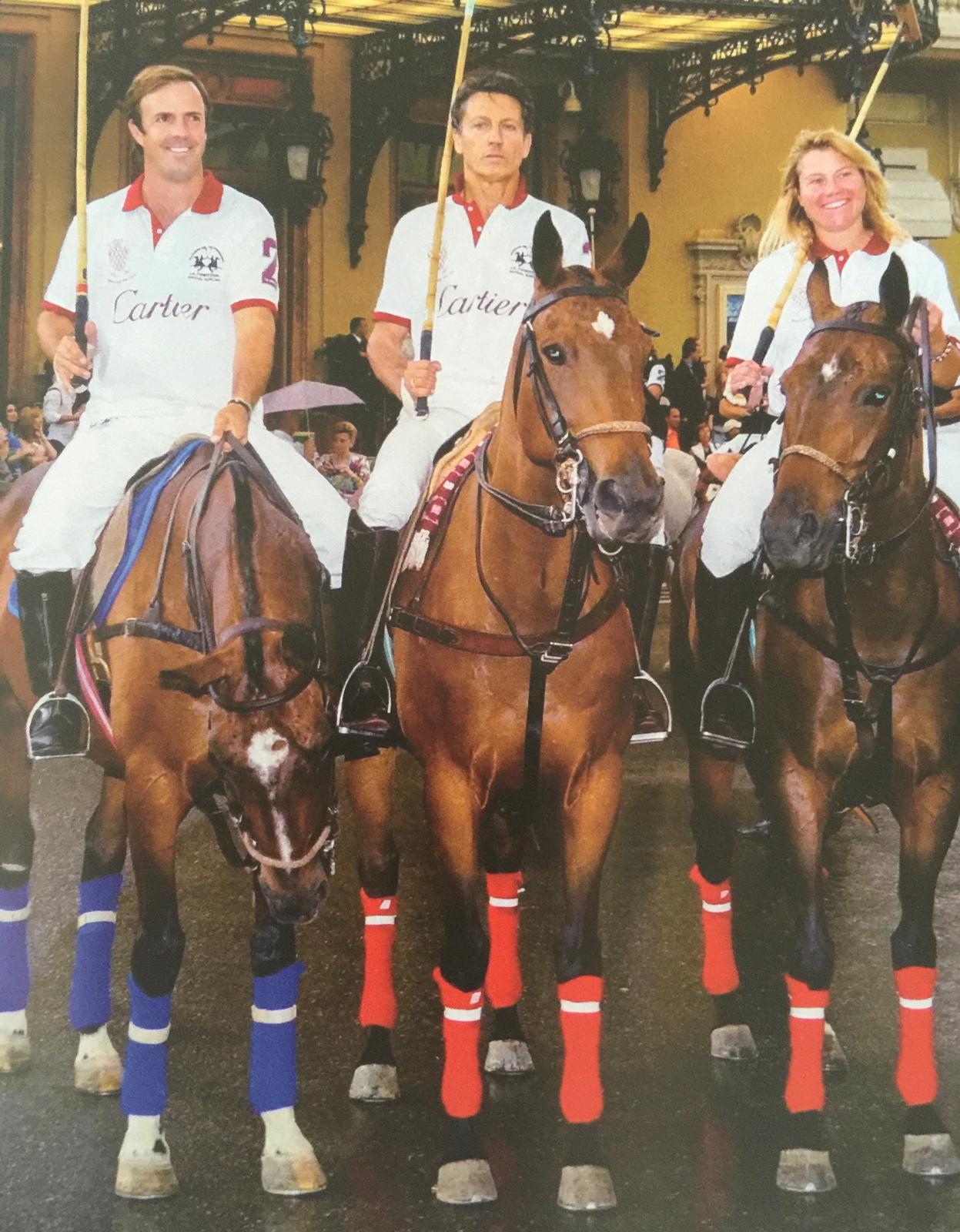
A polo match is one of the rare sporting occasions where the dress code is part of the spectacle. Between the chukkas, guests walk on the field, meet at the bar of the tent and gather for the prize-giving: what you wear must be elegant, but also allow you to walk on grass, stand in the sun and, in the evening, move on to the gala.
The day match
For men, the classic is a polo shirt or a linen shirt, light chinos or white trousers, a navy blazer for the tent and the prize-giving, loafers or suede shoes. The tie is not required at day matches, unless the invitation says so.
For women, a midi dress or a light linen or silk ensemble, a jacket or a cashmere for the end of the afternoon, flat shoes, espadrilles or wedges. Stilettos sink into the grass: leave them for the evening.
Beach polo
At beach polo the field is sand and the sea is a few metres away. Linen, cotton and light colours, a hat against the sun, sandals or espadrilles. In the evening, a light jacket is enough on the Riviera.
The hat
The ladies’ hat parade is a tradition of the great tournaments, and of the Monte-Carlo Polo Cup. A Panama, a straw hat with a wide brim or a fascinator for the day; for the parade, the hat can dare more. Gentlemen can wear a Panama or a cap in the sun.
The divot stomp
During the half-time, guests are invited onto the field to tread back the divots, the clods of turf lifted by the hooves. It is the moment when everyone, players and guests, shares the field: wear shoes you can walk in.
The gala
The gala that closes the tournament follows the dress code of the invitation: black tie or dark suit for men, long or cocktail dress for women. It is the evening of the club blazer, of the silk carré on the shoulders and of the cufflinks.
Our selection
From the Chukker Polo to the club blazer, from the Panama of the ladies’ hat parade to the silk carré “Place du Casino”, the pieces of the collection were designed for these moments.